Black Plague (Black Death): Causes, Spread and New DNA Discoveries
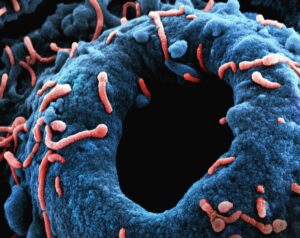
The Black Death was a devastating plague pandemic that ravaged Europe in the 14th century. The terrible illness was caused by a bacterium that modern-day researchers are now investigating using DNA.
What was the Black Death?
The Black Death was a large-scale epidemic of plague that reached Europe in the late 1340s. It spread throughout the continent between 1347 and 1351, with cases also reported in parts of Asia and North Africa.
Hundreds of thousands or even millions of people died. It is difficult to say exactly how many, as many records were lost in the chaos.
What caused the Black Death?
The Black Death was caused by the bacterium Yersinia pestis, which modern researchers have identified by examining DNA they have extracted from the bodies of people who died of the plague during the medieval period.
Plague bacteria can be passed from person to person by:
- Being bitten by an infected flea
- Contact with infected animals or materials
- Through the air when someone with pneumonic plague coughs or sneezes
How did the plague spread?
The huge increase in trade and contact between people during the medieval period meant that the infection could spread rapidly from one area to another. Infected people boarded ships that travelled between Europe’s busy port cities, and between Europe and other continents. The disease spread quickly along trade routes, and among people who had travelled from one place to another.

Wherever people or goods came together, the infection could be passed from person to person. So, while the big port cities and market towns were especially badly hit, the plague also hit the countryside. There were repeated outbreaks of plague for many years after the original wave of infection. In some areas, the density of population and the patterns of travel meant that the impact was more severe than others. [London Museum: The Great Pestilence in London.
What was the impact of the Black Death?
The devastation caused by the high death rates changed the fabric of everyday life throughout Europe, and the effects were felt for centuries. Some of the key impacts include:
- Food shortages because there were fewer people to work the land and care for animals
- Shortage of labor affected the value of work: in some cases, wages increased
- Disruption of local and international trade meant that everyday items were no longer available
- The social and religious beliefs of the people were questioned and reformers gained strength in numbers
The scapegoating of Jewish communities as the cause of the pandemic led to waves of persecution and violence against Jewish people. Although this was entirely untrue, it fueled a terrible wave of prejudice against Jewish people for centuries
The effects were different in different places, and not everyone’s experience was the same.
What are scientists discovering from the Black Death DNA?

Researchers are using new techniques to extract and study DNA from ancient sources. This helps them to understand relationships between different strains of the bacteria and how they spread.
A research paper published in 2026 examined ancient remains from eastern Eurasia and identified three prehistoric Yersinia pestis genomes. These studies add to our knowledge of the history and spread of the plague, but they do not confirm that the Black Death was present in all the areas where ancient Yersinia pestis DNA has been found
Researchers are also looking at other types of evidence, such as archaeological finds and written records. Some researchers have examined climate change and possible links between volcano eruptions and plague outbreaks. It is not yet proven that the volcanic theory is correct.
Did the Black Death return in 2026?
No. The phrase ‘Black Death’ refers specifically to the 14th century pandemic. Plague still exists in some areas of the world, but this does not mean that the medieval pandemic has returned.
In October 2026 there were reports that a Russian laboratory worker had died of plague. In its most recent statement on this subject, the World Health Organization said that, according to the reports received from Russian authorities, plague was not detected in any of the samples taken and that it had not detected any evidence of ongoing transmission of the disease. The cause of the worker’s death was not confirmed by the World Health Organization.
Why is the Black Death still important?

The Black Death was a huge disruption to communities across several continents. Researchers from different disciplines are working together to understand what happened during this terrifying period of history. Studying the Black Death helps historians to understand the lives of people in the past and it helps medical researchers to study the history of disease.
Discoveries made by researchers studying Medieval Plague are adding to what we know from written history – but they still need to be interpreted with care.
READ this Article
https://healthavicena.com/rabies-spread-symptoms-treatment-prevention/
Frequently asked questions
What caused the Black Death?
The bacterium Yersinia pestis caused the Black Death.
When did Black Plague reach Europe?
It spread throughout Europe between 1347 and 1351.
How did it spread?
Trade and travel facilitated the spread of the disease. Plague bacteria can be passed from person to person by being bitten by an infected flea, by contact with infected animals or materials, and in pneumonic plague by breathing in respiratory particles from an infected person.
Has the Black Death returned in 2026?
No. WHO reported that plague was not detected in tests linked to the Russian case and found no evidence of ongoing transmission of the disease.
“`
3 Replies to “Black Plague (Black Death): Causes, Spread and DNA Discoveries”
Leave a Reply
Related Posts
The Mystery of smelly socks
The Mystery of smelly socks: An investigation report from the…

Hormonal Imbalance in Women: Symptoms, Causes and What to Do
Why am I like this? A Women's Health Guide…
Very informative article! The Black Death had a huge impact on human history. It is fascinating to learn how modern DNA research is helping scientists understand this devastating pandemic. Thanks for sharing!
A fascinating look at one of history’s deadliest pandemics. Great article!
It is amazing how DNA technology is changing our understanding of ancient diseases. Do you think modern research will uncover more secrets about the Black Death?