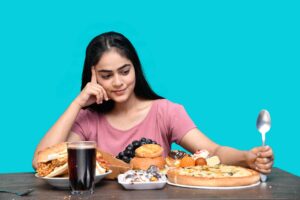
The Hidden Truth About Processed Food: What You Need to Know Before Your Next Meal
Most of us eat processed food on a daily basis without even realizing it. Have you ever wondered why your energy crashes after a meal and you can’t handle the cravings afterward? Then you are in the right place to learn the hidden truth about processed food that we usually feel but ignore.
What is processed food?
When we walk into any grocery store and look around, there are lots of things packed in colorful packages: ready-made, frozen items on the shelves. But most people think of it as fast food and junk food. Actually, the food is called processed food.
Processed Food is food that has been altered from its natural state. Those alterations could be like freezing, washing, and then packing, or it may be boiled and packed. When food reaches you, it has been passed through some alterations, whether through canning, cooking, freezing, fermenting, or adding ingredients.
The transformations create changes in the original quality of food, so along with ease, processed foods bring risks too. The damage doesn’t show overnight. Instead, it builds up slowly over months and years, quietly affecting your body organs and also mental health.
What are types of Processed Food?
There are three types of processed food.
- Minimally Processed : Frozen vegetables, washed, cut vegetables, pasteurized milk and plain yogurt.
- Processed: Canned beans, canned fish, some breads and cheese.
- Ultra-Processed: Sugary drinks, many packaged snacks, instant noodle, and soem ready meals.
Why is processed food so popular?
Have you ever asked yourself why we see processed food everywhere?
The answer has more to do with economics, convenience, and marketing than it does with nutrition.
It is Cheap to Make
Processed foods are made from the cheapest raw materials. Refined grains, low-quality fats, and synthetic additives cost very little. That low cost gets passed on to consumers, making processed food one of the affordable options for customers also.
It lasts a long time
We all know that fresh food spoils very quickly. Fresh vegetables wilt easily, so ultra-processed foods are designed in such a way that they can stay for a long time on the shelf, for months, even years. The preservatives, modified starches, and packaging technology all help extend shelf life, which reduces waste and increases profit for manufacturers.
It Is Incredibly Convenient
The modern world is so busy; people spend most of their time working and commuting to different places. So in such a rush, it feels convenient to go with processed food instead of spending a lot of time in the kitchen. Processed foods are quick, easy, and satisfying; therefore, people tend to choose the convenient one.
Related reading: How are processed foods taking over our diets?
Health Risks of Processed Food You Should Know About

The risks of ultra-processed food are not just random claims. The risks of processed food are well documented and backed by scientific evidence. The risks are supported by peer-reviewed studies from different institutions in the world.
Increased Risk of Heart Disease
Ultra-Processed foods are often high in trans fat, saturated fat, and sodium. All three have been linked to an increase in bad cholesterol, blood pressure, and a greater risk of heart attack and stroke.
A large study published in the BMJ found that a 10% increase in ultra-processed food consumption was associated with a 12% increase in the risk of cardiovascular disease.
Higher Risk of Cancer
Several studies have shown that there is a link between consumption of processed food and a high risk of certain cancers, including ovarian, colorectal, and breast cancer.
Gut Health Disruption
There are millions of bacteria in our gut that help with digestion and are linked with other metabolic processes. Processed foods are low in fiber and contain a high number of additives, so this makes the digestion process difficult for the bacteria. This high intake of additives can affect the gut health, reduces the quantity of bacteria and causes the thinning of the gut lining and poor digestion.
Nutritional deficiency
Ultr-Processed food contains a high amount of calories and lacks vitamins, minerals, fiber, and nutrients. These nutrients are essential for the body. They contain energy, but they are low in nutrients. When a person who is already suffering from an underweight deficiency eats processed food, there is a higher chance of facing other deficiencies and weaknesses.
How to eat less processed food?
It is not easy to end the habit of eating processed food, but we can gradually create habits that can decrease the use of processed food in our daily life.
You don’t need to change everything at once; instead, try to change one meal.
Let’s start with breakfast; start making food from whole, natural foods. Add fresh fruits and vegetables to it.
Instead of having packed snacks, try using nuts, walnuts, boiled eggs, or homemade popcorn.
The goal is not to remove all processed food; instead, try to eat less processed food. Swap processed drinks with homemade drinks. Swap instant noodles with homemade noodles and add vegetables to them.
Drink a lot of water and milk instead of taking sugary drinks.
https://healthavicena.com/junk-food-and-mood-swings/
FAQs: Frequently Asked Questions
What are the dangers of eating processed food?
Eating large amounts of processed food can lead to serious health issues like heart disease, obesity, gut diseases, and a higher risk of type 2 diabetes and other common diseases.
What are the five processed foods to avoid?
The five most heavily processed foods to avoid for better health are sugary drinks, processed meats, packaged salty snacks, baked goods, and ready-to-eat frozen or microwave meals.
Are eggs processed food?
No, eggs are unprocessed or minimally processed foods.
https://www.webmd.com/diet/ss/slideshow-processed-food
Which processed foods are good to eat?
The healthiest processed foods are those that are minimally processed like plain yogurt, frozen vegetables with no added sauces, and canned fish like salmon and tuna.
11 Replies to “The Hidden Truth About Processed Food: What You Need to Know Before Your Next Meal”
Leave a Reply
Related Posts


Living with Bipolar Disorder
Living with Bipolar Disorder Bipolar disorder, as the name suggests,…

7 Foods That Kick Out Uric Acid From Your Body Naturally
7 Foods That Kick Out Uric Acid From Your…
Very informative article. I never realized how many foods I eat daily are actually processed foods.
The explanation of ultra-processed foods and their health risks was easy to understand. Thanks for sharing.
The practical tips for reducing processed food intake are helpful and realistic for busy people.
Very informative article
Amazing facts and suggestions
Thanks
It is very informative because nowadays children want processed food alot it helps mother alot
Very informative article and the the explanation is outstanding.
It’s is one of the informative article i have seen ever about processed food, before this i wasn’t aware of the dangers of the processed food. Thanks for the information.
It’s is one of the informative article i have seen ever about processed food, before this i wasn’t aware of the dangers of the processed food. Thanks for the information.
We didn’t know about the harms, it’s so risky to eat processed food. I got to know it today.
Worth reading, very well written 👍